
Celebrating the Women Building With Bitcoin Across the World
The IWD 2026 theme, Give to Gain, rests on a straightforward premise: that what you contribute to a community compounds. What you build for others returns in ways that accounting cannot fully capture. This year, we celebrate ten organisations, founded or led by women, that are advancing Bitcoin adoption across the world. Each operates from a different geography, a different problem set, and a different understanding of what Bitcoin makes possible. Together, they demonstrate what it looks like when women are trusted to define the terms of their own financial futures.
The argument that women are underrepresented in Bitcoin is well documented and often repeated. What is less often acknowledged is that a growing number of women are not waiting for that gap to close. They are building the infrastructure, the policy architecture, the education systems, the media, and the circular economies that will determine how Bitcoin reaches the next billion people.

Women of Bitcoin Summit — Global
On 4 and 5 March 2026, Natalie Brunell, Christine Marie Turner and Efrat Fenigson hosted the Women of Bitcoin Summit, a free virtual event that brought over 1,500 women from across the world into one space. It was built to celebrate what women are already contributing to Bitcoin adoption globally, to give those contributions a public platform, and to show every woman watching that this space belongs to her. Speakers included Cynthia Lummis, Caitlin Long, Lyn Alden, Lorraine Marcel, Carol Souza, and Joana Cotar, alongside many other women working across policy, finance, media, education, and entrepreneurship within the global Bitcoin ecosystem. Across different regions and roles, the message was consistent: women are not just participating in Bitcoin, they are shaping its adoption, infrastructure, and narrative. Every speaker received an honorarium, a standard set intentionally from the outset, reinforcing the value of women’s contributions in the space.

Digital Citizen Fund — Afghanistan
Roya Mahboob began paying her staff in Bitcoin in 2013 because Afghan women could not open bank accounts. After the fall of Kabul in 2021, when the banking system collapsed and Bitcoin was subsequently banned, those wallets became how some of her staff moved their money and their families out of the country. The Digital Citizen Fund now runs underground Bitcoin education inside Afghanistan through an offline app designed to function without internet connectivity. When people describe Bitcoin as freedom money, Roya Mahboob has been living that argument for over a decade, and she is still building.

Africa Bitcoin Conference — Pan-African
The Africa Bitcoin Conference held its first edition in Accra, Ghana in December 2022, establishing a dedicated platform for Bitcoin builders, educators, and advocates across the continent. Built on the premise that the African Bitcoin ecosystem deserves its own stage on its own terms, the conference has maintained a strong Bitcoin‑only focus from the outset.
Subsequent editions expanded its reach, with a return to Accra in 2023, followed by Nairobi in 2024, and Port Louis, Mauritius in December 2025. The conference continues to center African voices in the global Bitcoin ecosystem. Through programs like the ABC‑Dada Fellowship, a partnership between the Africa Bitcoin Conference and Bitcoin Dada that provides training, mentorship, and support for African women in Bitcoin, it is also encouraging increased participation and leadership among women across the space.
Bitcoin im Bundestag — Germany
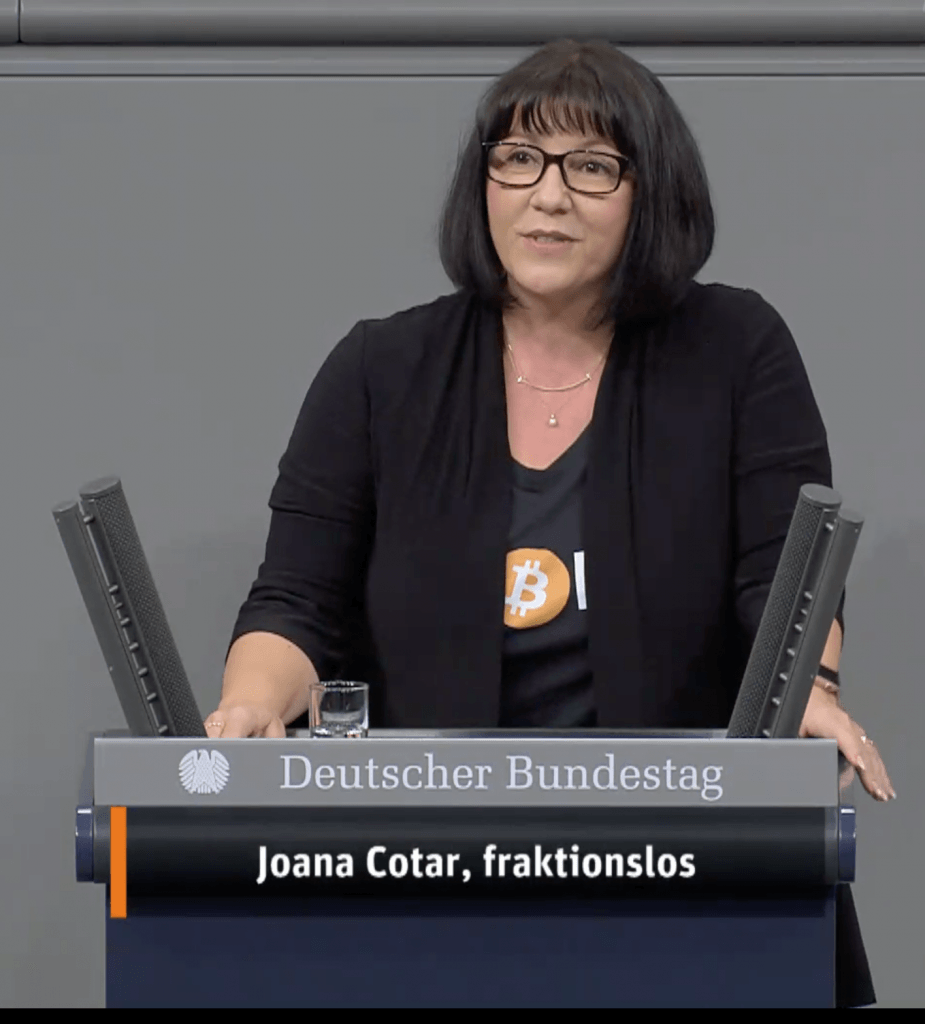
When the European Union was advancing digital euro legislation, Joana Cotar was the only sitting national legislator in Europe arguing from inside parliament that Bitcoin deserved a serious and separate conversation. She founded Bitcoin im Bundestag in 2023, briefed MPs across all parties, introduced draft legislation, and created a public record that Bitcoin adoption is a legitimate policy position. She did not win every argument; however she changed the terms of the debate, and that work does not disappear when a parliamentary term ends.
Bitcoin for Fairness — Austria / Global South
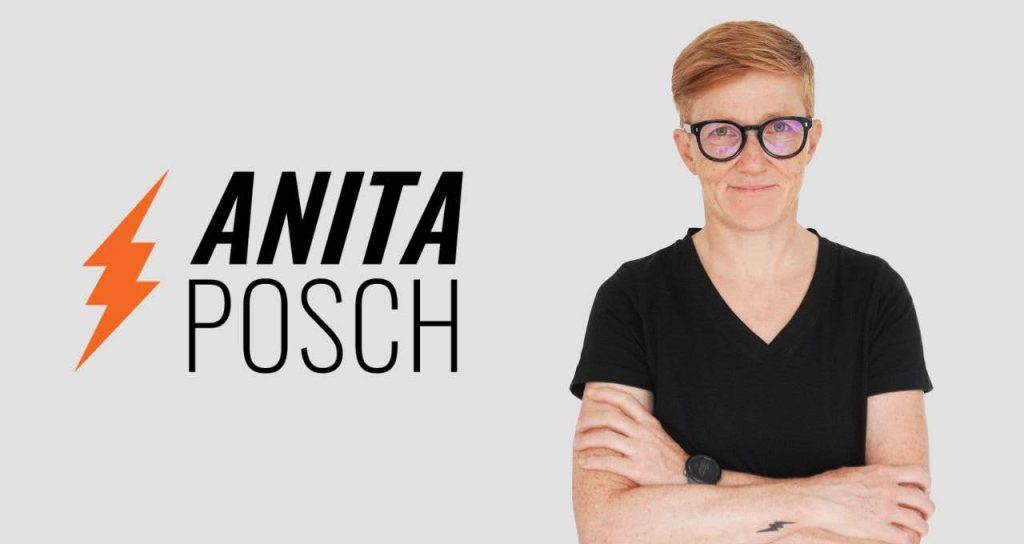
Anita Posch has spent five years travelling to Zimbabwe, Zambia, Mozambique and South Africa, not to observe, but to build. Bitcoin for Fairness supports grassroots adoption through direct presence and the Crack the Orange scholarship programme, which has trained Bitcoin educators in 33 countries. Her work holds that education without infrastructure is performance, and infrastructure without education is inaccessible. She works on both.
Bitcoin Dada — Pan-African
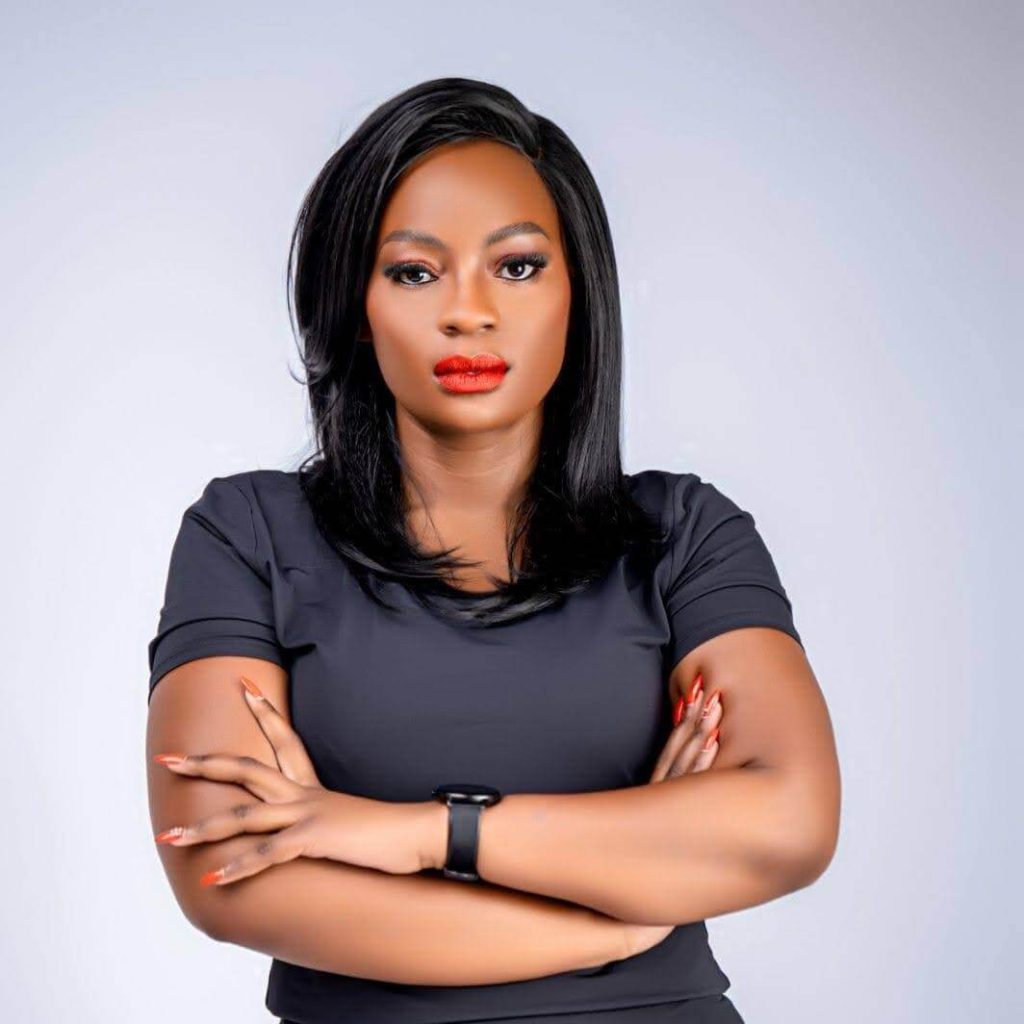
Lorraine Marcel founded Bitcoin Dada in 2022 and has since trained over 1,500 women across 13 African countries. From that foundation she built Dada Devs, a technical programme that creates pathways for African female engineers to run nodes, build on Lightning, and contribute upstream to Bitcoin repositories. The newest development is Dada Hub, Africa’s first physical Bitcoin & AI hub based in Kenya, built primarily for female developers to learn, build, and collaborate in person. Marcel was named the Most Impactful African Bitcoiner by African Bitcoiners in 2024.
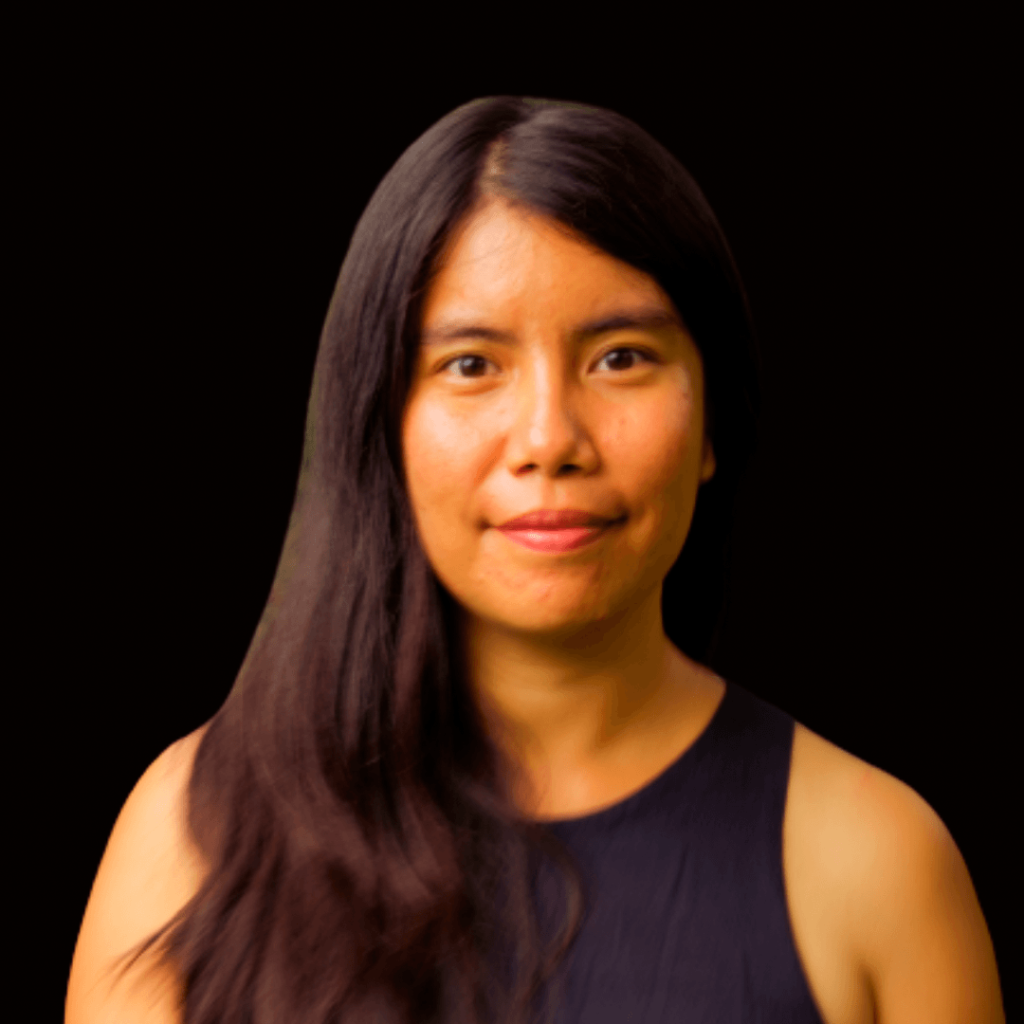
Kelas Bitcoin — Indonesia
Indonesia has a population of 270 million people and one of the most dynamic Bitcoin communities in Southeast Asia. Dea Rezkitha co-founded the Indonesian Bitcoin Community and the Indonesia Bitcoin Conference, and founded Kelas Bitcoin, a Bitcoin school built for Indonesian speakers. She now serves as Community Lead for all of Southeast Asia at Fedi. The scale of the geography she operates across makes her work among the most consequential in the global adoption story.
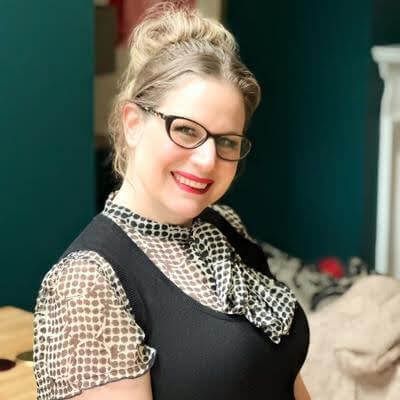
Bitcoin Policy UK — United Kingdom
Bitcoin Policy UK is the UK’s first Bitcoin-only policy advocacy organisation, co-founded in 2023 by Susie Violet Ward and Freddie New. Susie brought twenty years in finance and systems analysis to the task, and has served as CEO since December 2024. The organisation has submitted policy positions to HM Treasury, the FCA, HMRC, and Parliamentary committees, and sent its 2025 Bitcoin Manifesto to all 650 sitting MPs. When the UK Parliament passed legislation at the end of 2025 recognising Bitcoin as a distinct category of property, Bitcoin Policy UK had spent two years making that conversation harder to avoid. Changing the terms on which a government engages with Bitcoin is slow, unglamorous work. Bitcoin Policy UK is doing it anyway.
Gridless — Pan-African
Janet Maingi spent over twenty years working in telecoms and connectivity across Africa before co-founding Gridless in 2022. Gridless helps small‑scale renewable energy producers in rural Africa capture value from surplus electricity through Bitcoin mining. The model supports mini‑grid operators by creating a buyer for excess generation that local demand has not yet absorbed, contributing to more sustainable and economically viable energy systems.
Gridless has secured backing from investors including Block, and has established operations in countries such as Kenya, Malawi, and Zambia, where renewable power sources like hydro and geothermal are used for mining activities. These efforts aim to demonstrate how Bitcoin mining can integrate with local energy infrastructure and support broader access to electricity.
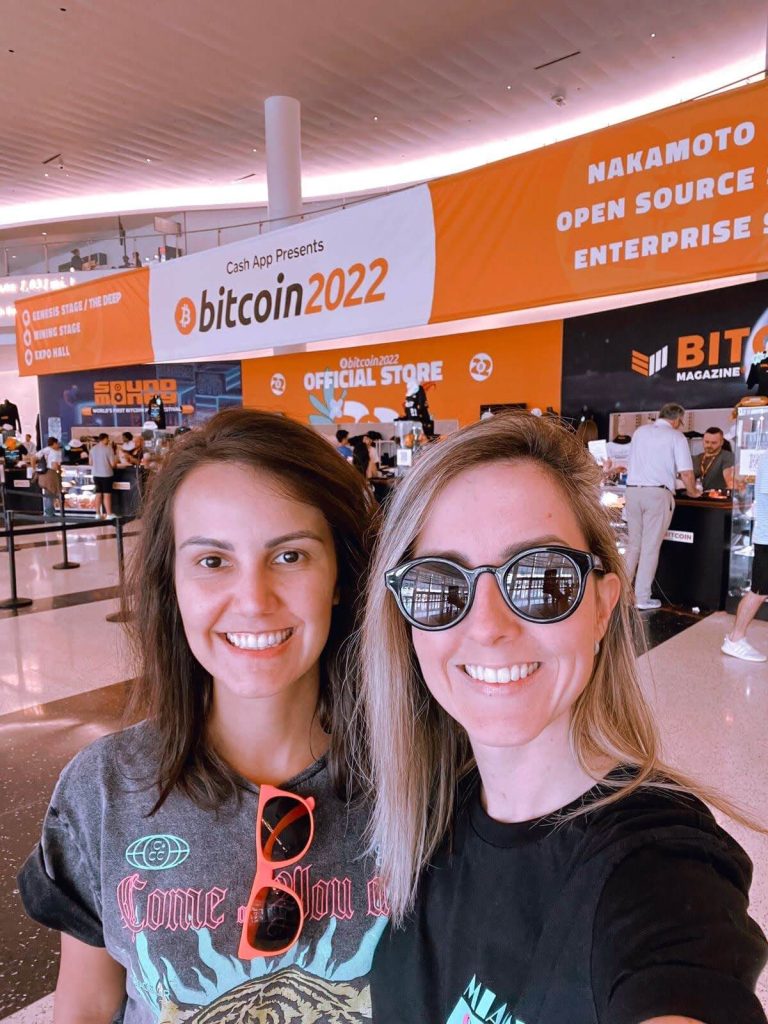
Área Bitcoin — Brazil
Brazil is Latin America’s largest country and one of the fastest-growing Bitcoin markets in the world. Área Bitcoin, co-founded by Carol Souza and Kaká Furlan, is the country’s leading Bitcoin-only online school, delivering Portuguese-language education at a scale no in-person programme could match. They are building the knowledge base that adoption across the region will run on.
The IWD theme this year rests on the idea that what you give to a community comes back in ways that accounting cannot fully capture. Every woman profiled in this edition gave something specific to a place and a problem that needed her, and what came back was not a return on investment but a piece of infrastructure that will outlast her involvement in it. That is how contribution compounds, and if this edition has documented anything worth carrying forward, it is that the compounding is already well under way. There are more women building, more stories that belong in this record, and we look forward to telling their stories in the next edition.